


But is it necessary to renovate the living room, buy new furniture, or transform the balcony into a magazine-worthy setting?
Fortunately, no. Preparing the house for summer mainly involves 5 simple actions:
- Remove what weighs,
- Control the entry of sunlight,
- Ventilate during the cooler hours,
- Bring life closer to outdoor spaces and
- Create small rituals that bring a holiday feeling to everyday life.
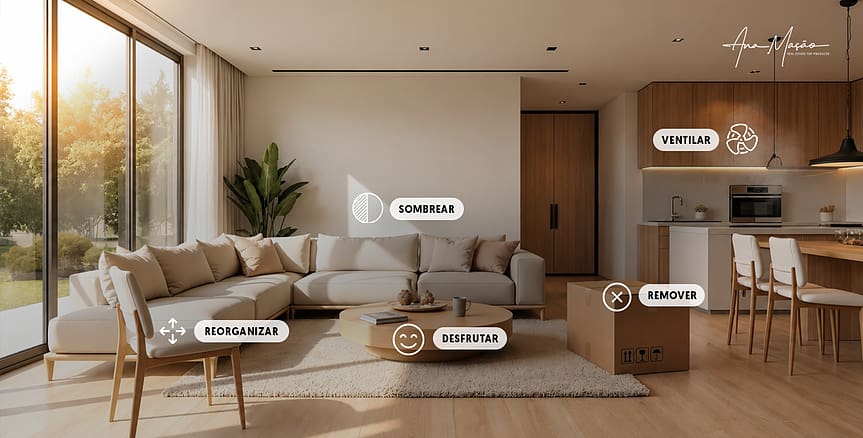
1. Start by removing, not buying
The first step to changing the atmosphere of a house might be to add nothing at all.
Store some blankets, reduce the number of cushions, remove decorative objects that only serve to take up space, and clear tables, consoles, and sideboards. It's not about emptying the house until it looks like someone is moving out, but about giving it space to breathe.
During summer, a visually more "clean" room conveys a greater sense of lightness. It also becomes easier to clean, move around, and let natural light be part of the decor.
A good rule? Temporarily remove some objects and store them in a box. If no one misses them until September, perhaps the box has just taught a small lesson about excess decoration. ;)

2. Swap weight for lightness
Thick fabrics and very dark colors help create comfort in winter, but can make a room visually "warmer" during the summer months.
It's not necessary to replace everything. A lighter cover on a cushion, a cotton bedspread, a linen tablecloth, or curtains with a lighter appearance can significantly change the atmosphere.
Materials like cotton, linen, wood, ceramic, and natural fibers particularly suit this season. More than following a trend, they help create a relaxed home with that air of not trying too hard to impress. And, let's face it, even homes deserve a break from the obligation to look perfect.
3. Let in light, but not necessarily heat
In summer, opening all windows and curtains during the day might seem like a good idea. However, when the sun shines directly on the glass, the house starts to accumulate heat.
During peak exposure hours, blinds, shutters, awnings, or curtains should help protect the rooms most exposed to the sun. In the early morning, late afternoon, and at night, when the outside temperature drops, it's the right time to allow air circulation.
This small schedule adjustment can make a considerable difference in the comfort of the house, especially in rooms facing south or west.
Solar orientation is, in fact, one of the aspects I value most during a property visit. A very bright room can be wonderful, but it's worth understanding how it behaves in August and not just on a pleasant March morning.
4. Move the furniture around and change the way you live in the house
Sometimes, the house doesn't need new furniture. It just needs the existing furniture to stop being exactly where it has always been.
A chair can be placed by a window and become a reading nook. A small table can be moved next to the balcony. An underused armchair can make way for a more open area between the living room and the outdoors.
The goal is not to achieve the perfect arrangement but to adapt the house to the summer rhythm. At this time of year, we spend more time by the windows, seek cool areas, and value a more direct connection to the balcony, terrace, or garden.
5. Give the outdoor space a purpose
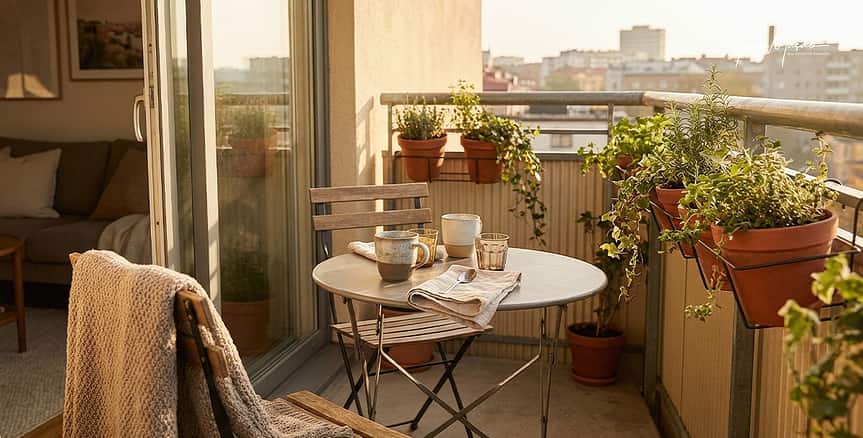
A small balcony doesn't need to do everything. It just needs to do one thing well.
It can be the place for the first morning coffee, a reading corner, a small herb garden, or the space where you end the day with a refreshing drink.
The most common mistake is trying to fit too much furniture and plants into a small area. A folding table, two chairs appropriately sized for the space, and a few well-chosen pots can be enough.
As a real estate consultant, I often notice that buyers don't just react to the size of a balcony. They react to the possibility of imagining a life on that balcony. A small space with a clear use can seem much more valuable than a larger area without identity.
6. Change the lighting at the end of the day
Summer nights call for softer lighting.
Instead of relying solely on the main lighting, try table lamps, protected lanterns, indirect light points, or discreet lighting on the balcony. The goal is to create ambiance without turning the living room into an overly lit terrace.
Warm light helps mark the transition between day and night and makes evenings at home more pleasant. A simple meal, with good lighting and open windows, can be more enjoyable than many hastily organized outings.
7. Create a small holiday ritual
The most important change might not be in the decor.
Having breakfast on the balcony, reading for half an hour by the window, dining outdoors once a week, or turning off screens in the late afternoon are simple ways to experience the house differently.
Summer doesn't need to start only when we close the door and go on a trip. It can start on a regular Tuesday, at the end of the day, with a table set on the terrace and the decision to leave the phone in another room for a while.
A summer house doesn't have to look like a holiday home
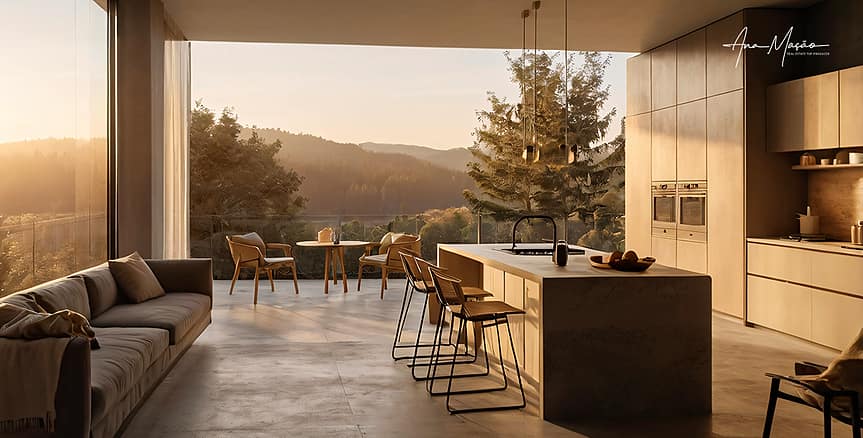
Some houses seem prepared for summer all year round. Others just need a few adjustments to reveal a lighter side.
It's not necessary to change addresses, follow all trends, or buy an entirely new decor. Often, it's enough to remove, reorganize, and make better use of what already exists.
The house also needs a break. Not because it's tired, of course, but because we are. And perhaps the best rest begins precisely in the place where we live.
Frequently Asked Questions About Preparing Your Home for Summer

How to make the house cooler in summer without air conditioning?
Protect windows from direct sun exposure during the hottest hours by using blinds, shutters, awnings, or curtains. Open windows early in the morning, late in the day, and at night when the outside temperature is lower. Reducing the use of the oven and other heat-emitting appliances also helps keep the house more comfortable.
What are the best fabrics to decorate the house in summer?
Cotton, linen, and other lightweight fabrics are good choices for the warmer months. They can be used in cushion covers, bedspreads, curtains, and tablecloths, helping to create a visually fresher, simpler, and more relaxed environment.
How to make the most of a small balcony during summer?
Start by choosing a main function for the balcony, such as having breakfast, reading, relaxing at the end of the day, or taking care of some plants. Use furniture proportional to the space, preferably foldable, and avoid occupying circulation areas. A small but well-organized balcony can become one of the most pleasant spaces in the house.
Is it necessary to buy new decorations to prepare the house for summer?
No. Often, it's enough to remove some objects, store heavier blankets and fabrics, clear surfaces, and rearrange certain furniture. Small changes in lighting, textiles, and organization can transform the environment without the need for major expenses.
How to create a holiday atmosphere at home?
Create small rituals associated with summer, such as having breakfast on the balcony, dining outdoors, reading by a window, or turning off screens in the late afternoon. More than a specific decoration, it's the way we live in the spaces that can make the house feel different during this time of year.