

In real estate language, it is common to hear that a house is "burned". The expression does not, of course, have any relation to fires. It means that the property has been on the market for too long, was promoted in a disorganized manner, or has lost credibility with potential buyers.

After some time, buyers start to wonder why it hasn't been sold yet, look for defects that may not even exist, and feel more confident to make offers well below the asking price.
If you are a homeowner looking to sell your house, it's natural to have two main goals: to get the best possible price and to complete the sale within a reasonable timeframe. To achieve this, it's not enough to just place an ad on real estate portals. It's necessary to correctly set the price, prepare the property, control the information disclosed, and adopt a coherent promotion strategy from day one.
In this article, I explain what can "burn" a house on the market, the mistakes you should avoid, and what you can do if the property has been for sale for too long.
What does it mean for a house to be "burned"?
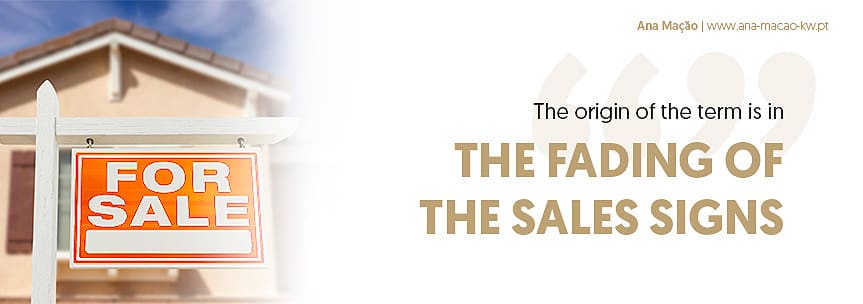
This expression is often associated with old for-sale signs that, after being exposed to the sun for a long time, ended up losing their color. The sign would eventually get burned by prolonged sun exposure and reveal to passersby that the house had been for sale for many months.
Currently, most exposure happens on real estate portals, search engines, and social networks. However, the principle remains:
The longer a property stays on the market without an adequate strategy, the greater the risk of losing the novelty effect and arousing distrust.
A property starts to become commercially worn out when buyers repeatedly find the same ad, observe successive price reductions, or discover different information depending on the agency or portal consulted.
The problem is not just the exposure time. It's mainly how that time is interpreted by buyers.
What are the signs that a property is losing strength in the market?
Not all houses that take a long time to sell are necessarily "burned." Some properties, due to price, location, or very specific characteristics, naturally have a smaller audience. Still, there are signs that should lead the owner to review the strategy:
- The ad receives views but generates few contacts.
- There are many visits, but no consistent offers.
- Buyers repeatedly raise the same objections.
- The property is advertised by several agencies, with different information and quality.
- The price has been reduced several times without producing results.
- The photos and presentation no longer stand out against the competition.
- Interested parties use the exposure time as an argument to negotiate.
- The owner starts receiving mostly offers well below the asking price.
When several of these signs appear simultaneously, insisting on the same strategy rarely solves the problem. It's necessary to understand what is not working and correct it before the wear worsens.
How to prevent your house from being "burned"
A good sale starts before the first ad is published. The first weeks of promotion are very important because it is during this period that the property arouses the most curiosity among buyers who are already following that area and that price segment.
Entering the market with the wrong price, poorly taken photos, or contradictory information means wasting that first impact.
Exclusive contract or non-exclusive contract?

The problem: When a homeowner decides to use the services of a real estate agency, the question often arises whether to entrust the promotion to a single professional or to sign contracts with several agencies simultaneously.
At first glance, working with many real estate agencies may seem advantageous. The owner might think that the more ads and consultants involved, the greater the likelihood of finding a buyer.
In practice, when there is no coordination, the result can be exactly the opposite. A buyer who finds the same property advertised multiple times on the same portal inevitably starts comparing the different versions. If they discover different areas, descriptions, photos, conditions, or prices, trust diminishes.
Instead of interpreting the multiplication of ads as a sign of greater demand, they may conclude that there is disorganization, difficulty in selling, or even some information that is not being properly clarified.
The excess of ads can also convey the idea that the owner is under pressure or willing to accept a significantly lower offer. This perception weakens the negotiating position even before the negotiation begins.
In a non-exclusive regime, it is common for agencies to be more cautious in investing in professional photography, video, paid advertising, or highlights, or other promotional actions, as they have no guarantees of recovering the invested value. The property may be sold by another agency, even after one of them has borne much of the work and dissemination costs.
This situation can also be compounded by direct promotion by the owner, competing with the professionals they hired. When this happens, some buyers try to bypass the real estate agencies and contact the seller directly, hoping to get a discount equivalent to the commission or take advantage of any weaknesses in the negotiation.
The solution: Opting for an exclusive real estate mediation contract can allow for more coherent promotion, provided that exclusivity is accompanied by a concrete marketing plan, promotional investment, regular follow-up, and openness to sharing with other professionals.
Exclusivity should not mean that only buyers from a particular agency can purchase the property. On the contrary, a good sharing policy allows consultants from different networks to present buyers, maintaining a single interlocutor responsible for information, promotion, and negotiation.
Before signing a contract, try to understand:
- What investment will be made in the presentation and promotion of the property.
- Which portals and channels will be used.
- If photos, videos, virtual tours, commercial plans, etc., will be produced.
- How the qualification of potential buyers will be done.
- How often you will receive reports on contacts and visits.
- If there is sharing with other agencies and consultants.
- How the strategy will be reviewed if the results do not meet expectations.
In my experience, properties worked on exclusively benefit from greater control over the information disclosed, more consistent presentation, better qualification of clients who wish to visit, and a more effective negotiation strategy. However, exclusivity alone does not guarantee a successful sale. What makes the difference is the quality of the work done.
To better understand the differences between the two models, also check out the article Advantages and Disadvantages of the Exclusivity Contract in Selling Your Home.
Listing the house for a price above the market
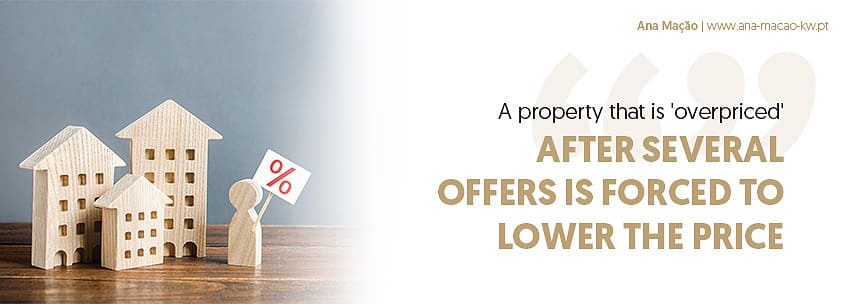
The problem: Price is one of the most sensitive decisions in any real estate sale. It is understandable that a homeowner wants to get the highest possible value for their home. The problem arises when the price is set based on expectations, inadequate comparisons, or opinions that do not reflect the market reality.
The asking price of the neighbor is not always a valid reference. The house may have different area, sun exposure, condition, construction quality, garage, or location. Moreover, the advertised price does not necessarily mean that the property will be sold for that amount.
It is also important to be wary of overly optimistic valuations presented solely to secure the listing. A high price may please the owner at the time of signing the contract, but it does not help sell if buyers find more competitive alternatives.
When a property enters the market above the value buyers are willing to pay, it may receive some initial contacts driven by curiosity. However, visits do not turn into offers, and time starts to pass.
The owner often ends up reducing the price. If these reductions are small and successive, buyers track the history and wait for the next drop. The house loses negotiating power and starts to be seen as a property that could not justify the initial price.
A property promoted clearly above the market price often ends up helping to sell competing houses that offer a more balanced relationship between price, location, and features.
The solution: Before listing the property for sale, request a Comparative Market Study that analyzes the competing offer, sold properties, and recent price trends in that area and segment.
This analysis should consider, among other factors:
- Location and immediate surroundings.
- Typology and distribution of rooms.
- Private area, outdoor areas, and dependent areas.
- Condition and quality of renovation.
- Sun exposure, views, and floor.
- Existence of elevator, garage, or storage room.
- Garden, pool, balconies, or terraces.
- Quality of the building or condominium.
- Energy efficiency and installed equipment.
- Existing competing offer at the time of sale.
The result should not be just an isolated value, but a coherent price range. Within this range, the strategy can be adjusted to the owner's urgency, competition, and existing demand:
- When there is greater urgency, it may make sense to position the property in a more competitive area of the range, increasing the likelihood of generating more contacts and proposals in a short period.
- When there is no urgency, a price in the upper range of the market can be chosen, as long as it remains competitive against competing properties and is accompanied by a defined period to evaluate the results.
Not being in a hurry does not mean ignoring the market. Waiting for future appreciation should not justify an excessive price in the present. During this period, financing conditions, demand, competition, and the property's condition itself may change.
Poorly presenting the property
The problem: A house may have good areas, an interesting location, and an adequate price, but lose buyers due to poor presentation.
Dark photographs, cluttered rooms, excessive personal items, toilet lids up, unmade beds, closed blinds, or blurry images affect the first impression. In many cases, the buyer decides whether to visit the property in a few seconds while scrolling through the photos on their phone.
A too generic description also reduces interest. Phrases like “excellent apartment,” “unique opportunity,” or “don't miss this opportunity” say little about the specific features of the house and are used in thousands of ads.
The solution: Prepare the property before the photo session, remove elements that hinder the reading of spaces, and present each room in a bright and organized manner.
The promotion should include, whenever justified:
- Professional photography.
- Presentation video.
- Simple reading floor plans.
- Virtual tour.
- Detailed and original description.
- Clear information about areas and features.
- Photos of the surroundings and main points of interest.
- Ad versions in other languages when the property is aimed at the international market.
The quality of the presentation should align with the property's positioning. A house promoted as a high-end product needs an image, communication, and support compatible with that promise.
Disclosing contradictory information
The problem: One of the factors that quickly undermines trust is finding different information about the same house.
Discrepancies often arise between usable area, gross area, land area, number of bedrooms, year of construction, energy certificate, or condominium value. Some differences result from using different sources, but for the buyer, they may seem like an attempt to hide or artificially increase certain features.
The solution: Confirm all documentary information before publication and use the same data across all channels. When there are differences between documentation, physical reality, and how areas are presented on portals, these differences should be explained transparently.
Clear information avoids doubts during visits, reduces objections, and protects negotiation at a later stage.
Making price reductions without a strategy
The problem: Lowering the price does not always solve a sale. When reductions are small, frequent, and poorly justified, they can give the impression that further drops are on the way.
More attentive buyers save the ads, track changes, and use this history to pressure the owner. Instead of reacting to the reduction, they may decide to wait.
The solution: Any price revision should result from an analysis of the contacts received, the visits made, the objections raised, and the competition's evolution.
If the price is clearly misaligned, it may be preferable to make a significant correction and reposition the property all at once, rather than accumulating small reductions that prolong the wear.
Not qualifying buyers before visits
The problem: A high number of visits does not necessarily mean the strategy is working. Visits from people who: do not have financial capacity, have not yet sold their house, or are looking for different features, only increase the owner's fatigue.
After many visits without proposals, it is natural for the seller to start losing confidence in the property and to accept negotiating under less favorable conditions.
The solution: Seek to understand in advance the needs, budget, decision timeframe, and financial situation of each potential buyer.
Qualification does not eliminate all unproductive visits, but it increases the likelihood of presenting the property to people who have real conditions to proceed.
Is your house already "burned"? It is still possible to recover the sale
Prolonged exposure does not mean the property is no longer sellable. In most situations, it is possible to regain interest, but this will hardly happen by maintaining exactly the same ad, the same price, and the same strategy.
The first step is to conduct an objective diagnosis. You should analyze:
- How long the property has actually been on the market.
- How many versions of the ad are still published.
- What price changes have already been made.
- How many contacts and visits have been received.
- What were the most frequent objections.
- Which competing properties have been sold in the meantime.
- If the current presentation remains competitive.
Depending on the diagnosis, recovery may involve the following measures:
- Remove duplicate or outdated ads. The property should have a coherent and controlled presence.
- Reevaluate the price. The analysis should reflect the current competition and not just the expectations set at the beginning of the sale.
- Renew the presentation. New photographs, a more appealing video, a clear floor plan, or better preparation of the spaces can significantly change perception.
- Correct all information. Areas, features, documentation, and sales conditions must be confirmed.
- Reformulate the description. The text should highlight concrete benefits and address the main doubts of buyers.
- Define a new positioning. In some cases, it will be necessary to change the target audience or the way the property is presented.
- Prepare a relaunch. The new campaign should represent a real change and not just the republication of the previous ad.
- Recontact previous interested parties. Some buyers may reconsider the property if the price, presentation, or conditions have been changed.
Sometimes, a brief interruption in promotion allows for reorganizing the strategy and preparing a stronger relaunch. However, removing the ad for a few days does not automatically erase the history. It is the combination of price, presentation, communication, and follow-up that restores credibility.
Checklist before putting a house up for sale
Before publishing the property, confirm if you can answer affirmatively to the following questions:
- Was the price set through a serious comparative analysis?
- Have the documentation and areas been confirmed?
- Is the property ready to be photographed and visited?
- Do the photographs correctly represent the spaces?
- Does the description explain the main benefits of the house?
- Is there only one coherent version of the information?
- Has a promotion and investment plan been defined?
- Is there a clear sharing policy with other professionals?
- Will contacts and visits be monitored and analyzed?
- Has a deadline been set to review the strategy?
The better the initial preparation, the less likely it is to have to correct the positioning when the property has already accumulated months of exposure.
Frequently asked questions about "burned" houses in the real estate market

How long does it take for a house to become "burned" on the market?
There is no set timeframe for all properties. The time it takes to sell a house depends on the location, price, features, existing demand, and competition at that moment. A property can remain on the market for several months without becoming commercially worn out, as long as the price and strategy remain appropriate. On the other hand, it can lose credibility in just a few weeks if it is listed by multiple agencies, with contradictory information, poorly taken photos, or frequent price reductions.
How to know if a house is already "burned"?
There are several warning signs: many months of exposure, few contacts, visits without offers, duplicate listings, different information across portals, and successive price reductions. Another important sign is when buyers use the time on the market to justify offers well below the asking price. This means that the property's history is already negatively influencing the negotiation.
Is lowering the price enough to regain buyers' interest?
Not always. If the only problem is an inappropriate price, a suitable correction may generate new contacts. However, when there are unappealing photos, duplicate listings, incorrect information, or an inadequate presentation, the price reduction should be accompanied by a more comprehensive strategy review. In some cases, it is preferable to make a clear correction and reposition the property all at once, rather than accumulating small reductions that lead buyers to wait for the next drop.
Does an exclusivity contract prevent a house from becoming "burned"?
No. An exclusivity contract facilitates information control, avoids disorganized duplication of listings, and concentrates the responsibility of promotion on a single professional. However, exclusivity does not replace a good strategy. A property under exclusivity can also remain too long on the market if it is priced above the appropriate level, poorly presented, or does not benefit from promotional investment, regular follow-up, and sharing with other professionals.
Does working with multiple real estate agencies help sell faster?
Not necessarily. Many real estate agencies use the same portals and reach similar audiences. When there is no coordination, the property may appear multiple times, with different photos, areas, descriptions, or prices. This disorganized exposure creates doubts and can weaken the owner's position. An exclusivity strategy, accompanied by an open sharing policy, allows reaching buyers from different networks without losing control of information and promotion.
Is it possible to recover a house that has been on sale for too long?
Yes. In most situations, it is possible to regain buyers' interest, but it is unlikely to happen by maintaining exactly the same listing, price, and strategy. It may be necessary to eliminate duplicate listings, review the price, confirm the areas and documentation, produce new photos, improve the presentation of spaces, and reformulate the description. The relaunch should correspond to a real change in how the property is presented to the market.
Does removing the listing for a while erase the property's history?
Not necessarily. Removing the listing can be useful to reorganize the strategy, correct information, and prepare a new campaign, but buyers who regularly follow the market may recognize the property when it is republished. A pause only makes sense when it is used to introduce effective changes in price, presentation, or commercial positioning.
What is the best price to avoid a house becoming "burned"?
The best price is not necessarily the lowest, but the one that can be justified by the property's features, comparable sales, competing offers, and existing demand. Before publication, a comparative market study should be conducted to define a defensible value range. Within this range, the positioning can be more competitive or more ambitious, depending on the owner's urgency and the agreed strategy.
Can successive price reductions harm the sale?
Yes. Buyers follow listings and notice when the price is repeatedly reduced. Faced with several reductions, some stop making offers because they believe there will be another reduction. Any price review should result from the analysis of received contacts, conducted visits, presented objections, and competition evolution. When the price is clearly inappropriate, making a significant correction can be more effective than several small reductions.
Should I accept the first offer I receive?
Not necessarily. An offer should be analyzed not only by the presented value but also by the payment conditions, financing use, desired timelines, and operation security. A slightly lower offer, but without credit dependency and with clear timelines, may be more interesting than a higher offer subject to various conditions.
A good sale starts before the listing is published
Avoiding a house becoming "burned" does not mean selling it at any price or accepting the first offer. It means entering the market with a realistic, coherent strategy prepared to defend the property's value.
The price, presentation, information quality, promotion, and negotiation should function as parts of the same strategy. When each agency communicates a different version, when the price is set without support, or when the listing remains unchanged despite the lack of results, the property gradually loses its ability to spark interest.
If you intend to sell your house, or if the property has been on the market for too long, I can help you analyze the current positioning and define a sales strategy suited to its characteristics and the area's reality.
Contact me by phone at (+351) 934 200 400 (call to national mobile network) or send an email to ana.macao@kwportugal.pt.